If you are trying to choose between Historic Downtown Snohomish and a nearby acreage property, you are really choosing between two very different ways to live. One offers walkable streets, historic homes, and easy access to shops and community events. The other offers privacy, open space, and a land-first lifestyle with more room to shape your property around how you want to live. This guide will help you compare both options in practical terms so you can decide which fit feels right for you. Let’s dive in.
Historic Downtown Snohomish at a Glance
Historic Downtown Snohomish is the city’s compact riverfront core. The Commercial Historic District sits along the Snohomish riverbank on the south side of town, with historic residential areas generally north of it and a mixed-use area to the east around Maple and Pine Avenue.
What stands out right away is the setting. The city describes the area as a place with mature street trees, sidewalks, alleys, pedestrian activity, and buildings placed close to the street. That pattern creates a more connected, walkable feel than you will usually find outside town.
The city has also invested planning attention into the area’s accessibility and vibrancy. First Street planning work focuses on walkability, accessibility, historic preservation, parking, lighting, and utility upgrades, while the Riverfront Trail adds a short paved route that works as an alternative to First Street.
Nearby Acreage at a Glance
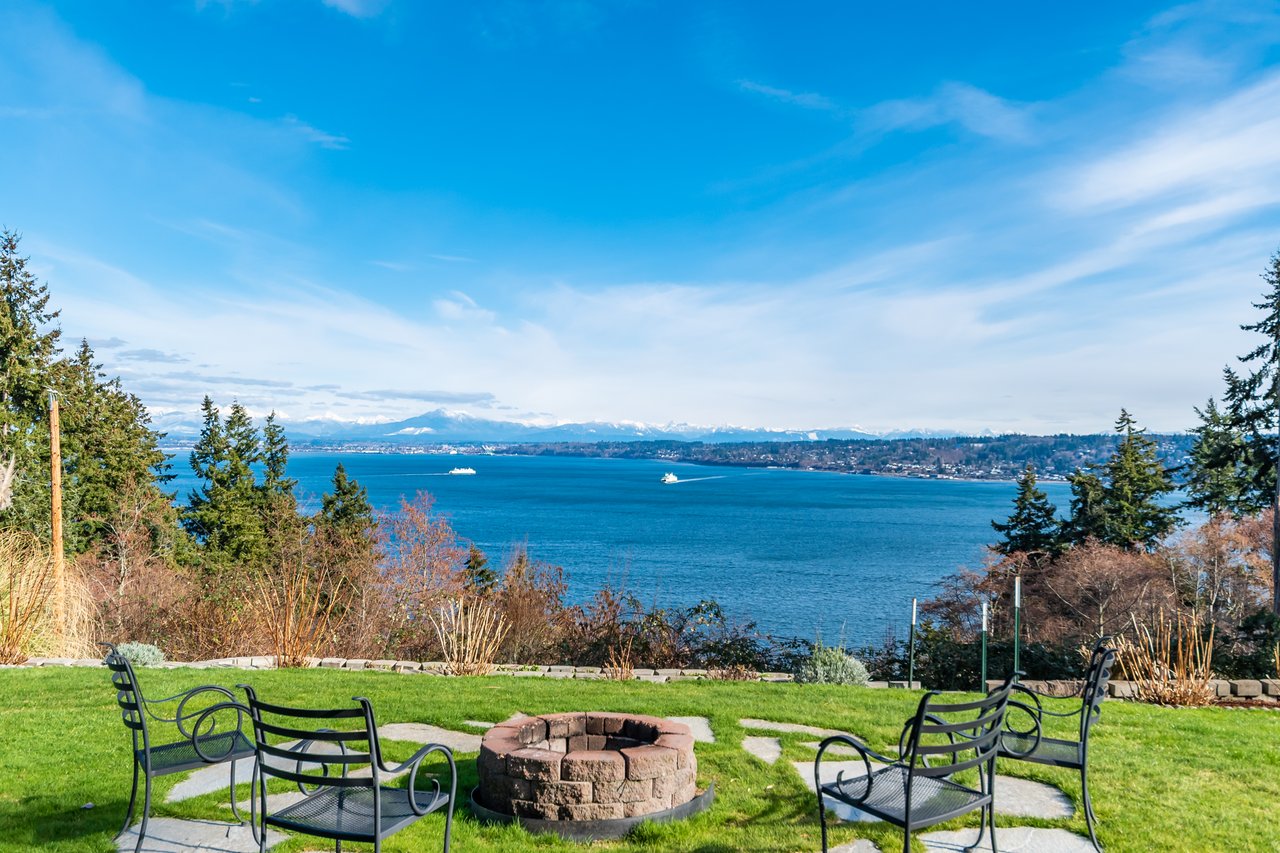
Outside town, the pattern changes quickly. Much of the surrounding land falls into agricultural or large-lot residential areas shaped by county rural planning rather than the city’s downtown form.
Snohomish County’s rural-character framework emphasizes open space, natural landscape, traditional rural lifestyles, and less reliance on urban services. County land-use data also helps explain the setting, with 68% of the county’s land area classified as forest land, 18% rural, 9% urban or city, and 5% agricultural.
In simple terms, acreage living near Snohomish usually means more separation between properties, fewer urban conveniences close by, and a stronger focus on the land itself. For many buyers, that is exactly the appeal.
Character and Home Style
Downtown homes offer historic character
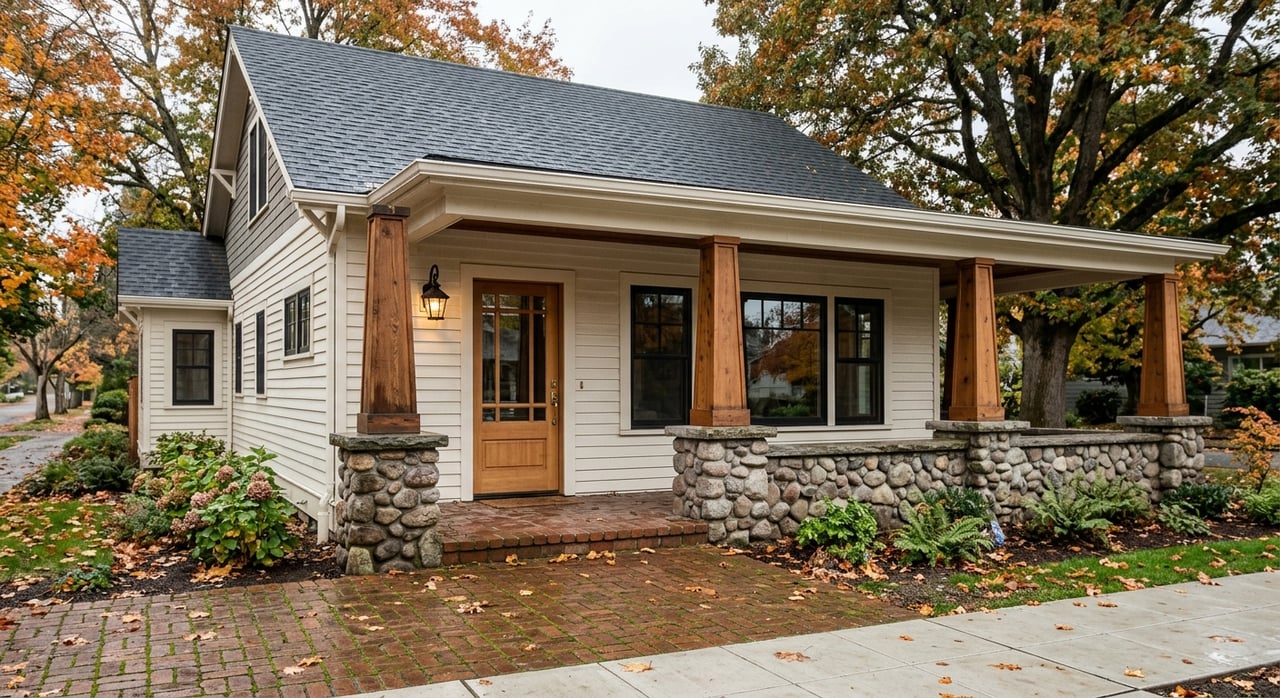
If architecture matters to you, Historic Downtown Snohomish has a very distinct identity. City guidance says commercial buildings in the district largely date from 1880 to 1930, while residential buildings range from the 1860s to the present, with many pre-1920 homes in turn-of-the-century styles.
You may see Craftsman Bungalow, Queen Anne Victorian, Shingle, Beaux Arts, Gothic Revival, Italianate, Cottage, Colonial Revival, and Stick/Eastlake influences. For buyers who love original details and a neighborhood with visual texture, downtown often feels special in a way newer areas do not.
Acreage properties center on land use
Acreage properties usually tell a different story. Instead of architectural consistency, the main value often comes from parcel size, privacy, access, and how the land functions for your day-to-day needs.
That can include space for outbuildings, hobby use, gardens, animals, or simply room to spread out. The homes themselves may vary widely, but the buying decision is often driven more by the site than by a historic streetscape.
Zoning and Lot Size Differences
For many buyers, this is where the decision becomes more practical. Downtown homes are generally older, denser, and more architecture-driven, while acreage parcels are larger, less uniform, and more land-use-driven.
Outside city limits, county zoning often controls what you can do with a property. Snohomish County states that the Rural-5 Acre zone is intended to maintain rural character in areas without urban services and allows one dwelling unit per five acres.
That does not mean every acreage listing is the same, because rural parcels can have different site conditions and regulatory factors. It does mean that if you are considering land outside town, zoning and permitted use deserve early attention.
Daily Life: Walkability or Privacy?
Downtown favors convenience and connection
If you want your errands and outings to feel compact, Historic Downtown Snohomish has a clear advantage. The city describes downtown as a shopping destination with boutiques, coffee shops, bars, restaurants, and professional services.
It is also a hub for local events such as Kla Ha Ya Days, the Farmers Market, the Block Party, and the Art Walk. That event-centered pattern can make daily life feel more social and active, especially if you enjoy being able to step into the rhythm of the community.
The Riverfront Trail and ongoing First Street work support that experience. Even if you still drive regularly, being near a more walkable core can change how your week feels.
Acreage favors space and separation
Acreage tends to trade some convenience for privacy and breathing room. Rural county materials emphasize open space and natural landscape, and that shows up in how these properties feel from the moment you turn onto them.
For some buyers, that quiet and separation are worth the longer drive for errands or the extra planning that comes with country living. If your ideal evening includes more sky, fewer close neighbors, and room for projects or outdoor use, acreage may fit your lifestyle better.
Commute and Transportation Considerations
Snohomish is about 30 miles north of Seattle and nine miles southeast of Everett, according to city materials. That gives many buyers a workable base for regional travel, but the exact experience depends heavily on where you live.
Downtown Snohomish has an edge if you want more transportation flexibility. Community Transit says Snohomish connects to Everett, Seattle, and regional transit hubs, and its Snohomish guide notes a park-and-ride near Avenue D and SR 9 plus commuter-bus service to downtown Seattle via I-405 and SR 520.
Acreage properties can be very different from one another in commute feel. The farther a parcel sits from main arterials, the more local driving you may need before reaching the broader road network. That extra distance may be a small tradeoff for privacy, or it may become a daily frustration, depending on your schedule.
Due Diligence: What Changes by Property Type
Downtown ownership often involves design standards
Downtown buyers usually are not spending most of their time asking about wells or septic systems. Instead, city guidance points to historic-district design review, preservation standards, parking, and how a property fits the surrounding streetscape.
If you are buying in the historic district, it is smart to understand what changes or exterior work may involve. The appeal of the area comes in part from preserving its character, so ownership often means balancing personal plans with district standards.
Acreage ownership needs more site homework
Acreage purchases often require deeper parcel-level review. Snohomish County requires water and sewer approval for residential permits and verification of legal lot status, and county guidance notes that additional factors may apply, including resource-land notification, land-disturbing activity permits, forest-practice permits, shoreline areas, and flood hazards.
County materials also warn that activities on or near designated resource lands may be incompatible with residential development, and real estate transfer documents are required in those areas. In short, acreage can offer flexibility, but it also asks more from you during the review process.
This is one reason local guidance matters so much. When you are comparing acreage properties, the details are often not interchangeable from one parcel to the next.
Which Option Fits You Best?
Neither choice is better across the board. The better fit depends on how you want to live, what kind of upkeep you are comfortable with, and which tradeoffs matter most to you.
Historic Downtown Snohomish may be the stronger fit if you want:
- Historic character and older architecture
- Sidewalks, street trees, and a more walkable setting
- Easier access to shops, dining, and local events
- A home where neighborhood feel is part of the appeal
- More transit flexibility near town
Nearby acreage may be the stronger fit if you want:
- Privacy and open space
- Larger parcels and a more rural setting
- More separation from the town center
- A property where land use is a major part of value
- Room for lifestyle features that depend on space
What Buyers and Sellers Should Keep in Mind
If you are buying, start by being honest about your non-negotiables. Do you want to walk to coffee and events, or do you want space for hobbies, equipment, animals, or simply more privacy? That one question often narrows the search quickly.
If you are selling, the marketing story should match the property type. A downtown home benefits from highlighting architecture, streetscape, walkability, and access to local activity, while an acreage property needs careful attention to parcel features, zoning context, site improvements, and the lifestyle the land supports.
That is where local experience makes a difference. Properties in and around Snohomish do not all sell on the same strengths, and the right strategy starts with understanding what buyers in each segment care about most.
Whether you are drawn to the charm of downtown or the freedom of nearby acreage, the best move is the one that fits your real life, not just a photo or a trend. If you want experienced guidance on how to compare the options, position a property for sale, or navigate the details of a Snohomish-area move, Lynette Thomas can help.
FAQs
Is Historic Downtown Snohomish more walkable than nearby acreage?
- Yes. City planning materials emphasize sidewalks, pedestrian activity, First Street improvements, and the Riverfront Trail, while acreage areas outside town are generally more rural and spread out.
Do Snohomish acreage properties need more due diligence than downtown homes?
- Usually, yes. County guidance says acreage properties may involve water and sewer approval, legal lot verification, and review of issues such as shoreline areas, flood hazards, resource-land notifications, and land-disturbing permits.
What kind of homes are common in Historic Downtown Snohomish?
- The area is known for older homes and buildings, including many pre-1920 residential styles such as Craftsman Bungalow, Queen Anne Victorian, Cottage, Colonial Revival, and other historic designs identified by the city.
Is nearby acreage around Snohomish usually under county zoning?
- Yes. Properties outside city limits are typically shaped by Snohomish County rural zoning, including zones such as Rural-5 Acre, which the county says is intended to maintain rural character in areas without urban services.
Which is better for privacy in the Snohomish area: downtown or acreage?
- Acreage is generally the better fit for privacy because county rural areas emphasize open space, natural landscape, and larger-lot living compared with the denser pattern in downtown Snohomish.