If you want Puget Sound views without giving up day-to-day convenience, Mukilteo is one of those places that tends to stand out quickly. You get a waterfront setting, ferry access, parks, and a practical mix of local services, all within a small North Sound community. If you are wondering what everyday life here actually feels like, this guide will walk you through the setting, transportation, housing mix, and lifestyle rhythms that shape living in Mukilteo. Let’s dive in.
Why Mukilteo Feels Distinct
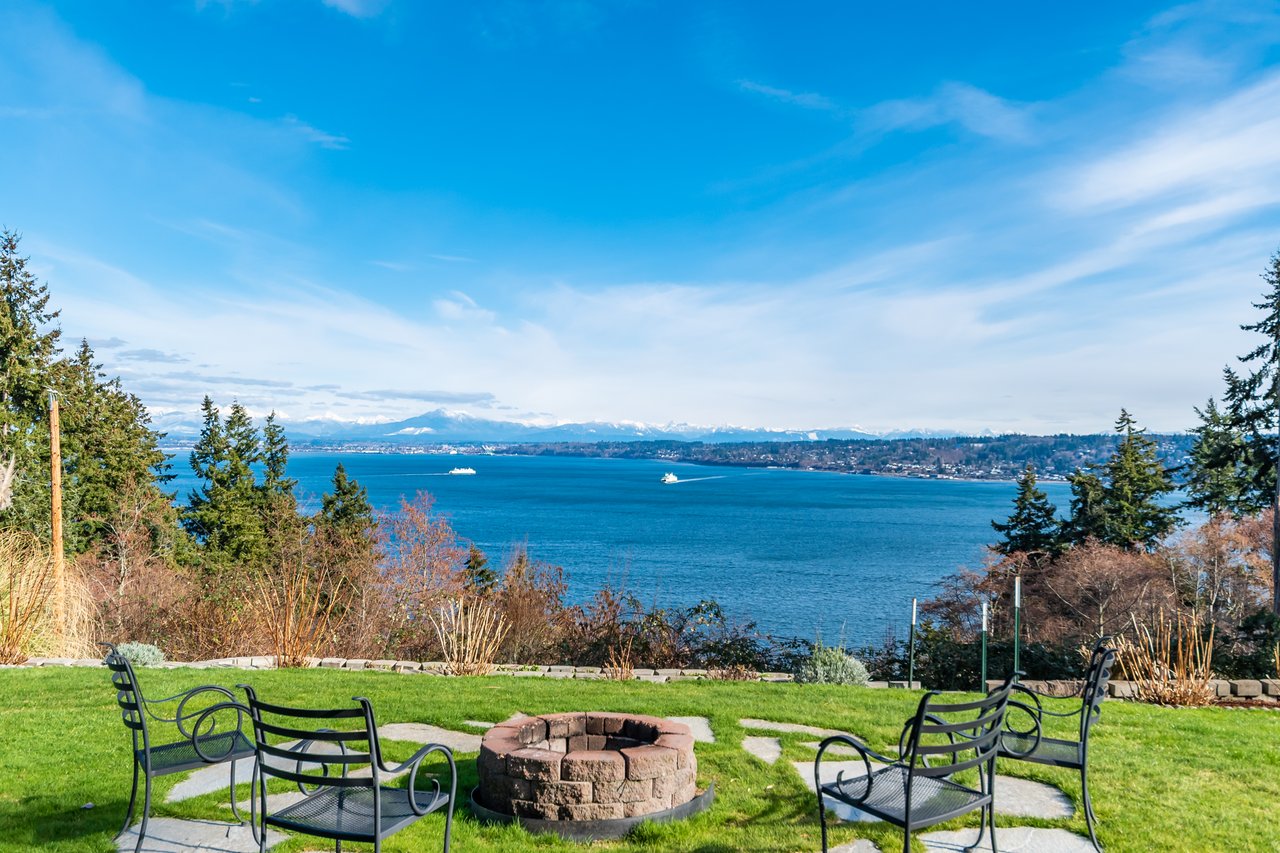
Mukilteo is a waterfront city on Puget Sound about 25 miles north of Seattle, and its setting is a big part of its identity. According to the City of Mukilteo, the city is known for views of the Olympic Mountains to the west and the Northern Cascades to the north and east.
That backdrop gives Mukilteo a scenic feel, but daily life here is not just about the views. The city also describes a community with shopping areas, restaurants, financial institutions, and parks and open spaces, which points to a place built around practical living rather than a large downtown entertainment scene.
For many buyers, that balance is the appeal. Mukilteo often feels like a small waterfront suburb with destination-worthy scenery, not a resort town and not a dense urban center.
Waterfront Life in Mukilteo
The waterfront shapes how Mukilteo looks and how it moves. It is one of the city’s most recognizable features, and it influences everything from weekend routines to traffic patterns near the shoreline.
A big part of that experience centers on Lighthouse Park and the Mukilteo Light Station. The park includes an accessible beach, picnic area, and boat launch, and the city notes that Lighthouse Park is open year-round.
That means the waterfront is not just something you look at from a distance. It is part of how people spend time outdoors, gather with friends, and enjoy the setting across the seasons.
What the waterfront adds to daily life
Living near the water often changes the pace of a normal week. In Mukilteo, you may find yourself planning a beach walk, stopping by the park, or timing an errand around the activity near the ferry terminal.
The city also highlights Lighthouse Park as a scenic public space used for events and rentals, with picnic shelters, a beach volleyball court, and the Wedding Circle. That reinforces the idea that the waterfront is an active part of community life, not just a postcard view.
The Ferry Is Part of Real Life
If you are new to Mukilteo, the ferry may sound like a fun extra. In reality, it is part of the city’s transportation identity.
The City of Mukilteo describes the city as a regional transportation hub for the state ferry system connecting Mukilteo to Clinton on Whidbey Island. The Washington State Department of Transportation schedule page for the Mukilteo/Clinton route is worth bookmarking because service updates and route details can affect day-to-day planning.
For residents, that means the ferry is both scenic and functional. It creates useful cross-sound access, but it also shapes traffic, parking, and the rhythm of the waterfront area.
What to know about ferry routines
If you live in Mukilteo, ferry awareness becomes part of local know-how. You may check sailing schedules before heading toward the waterfront, especially during busy travel times.
WSDOT also notes low-tide travel impacts for the Mukilteo/Clinton route, which is a good reminder that ferry living comes with some planning. For some people, that is a small tradeoff for direct Whidbey Island access and a uniquely Northwest setting.
Parks and Outdoor Space
Mukilteo offers more outdoor access than many people expect from a smaller city. According to the city, it maintains about 620 acres of parklands, which supports an active, outdoors-friendly lifestyle.
That park access matters because it gives you options beyond the shoreline. Whether you want open space, trails, or a casual picnic spot, Mukilteo has several ways to make outdoor time part of your weekly routine.
Lighthouse Park
Lighthouse Park is the signature destination, and for good reason. It combines water views with practical amenities, making it useful for both everyday visits and special occasions.
If you picture a place where you can walk the beach, enjoy a picnic, and take in the Sound, this is the setting many people think of first when they think about Mukilteo.
Japanese Gulch trails
For a more wooded and active outdoor experience, Japanese Gulch is an important part of local life. The city says the area is used by mountain bikers, hikers, trail runners, dog walkers, and nature lovers.
That wide range of uses says a lot. Japanese Gulch is not just a specialty trail system for one group. It functions more like an everyday outdoor space where different kinds of residents can fit in.
Community Events and Local Identity
Mukilteo may be small, but it has clear community traditions. That can be important if you are looking for a place that feels established and connected rather than anonymous.
The city says the Heart of Mukilteo Parade continues the legacy of the Lighthouse Festival and celebrates the community’s people, history, and stories. The mayor’s welcome page also describes the Lighthouse Festival as a major annual gathering in Lighthouse Park.
These events help define local identity. They give residents recurring ways to participate in the community and create a rhythm that goes beyond the housing market.
Schools and Everyday Practicality
For buyers who want to understand the broader day-to-day picture, school district scale is one useful piece of context. The Mukilteo School District says it serves nearly 15,000 students across 21 schools.
That does not tell you everything about a move, but it does show that Mukilteo is connected to a sizable district with a broad footprint. For many households, that scale can be part of the appeal when weighing long-term practicality.
Mukilteo Housing: What You Can Expect
Mukilteo is generally considered a premium market within the Seattle-area suburban landscape. Based on current market snapshots in the research, prices trend toward the higher end, although listing prices and closed-sale figures vary depending on the source and timing.
The most useful takeaway is simple: Mukilteo is not an entry-level market overall, and the most desirable view or waterfront properties usually represent an even more premium slice of the market.
Home types are more varied than some buyers expect
Detached homes still make up much of the market, but they are not the only option. Current market snapshots also show condos, townhomes, and occasional multi-family listings, which can create more entry points depending on your budget and goals.
That matters if you love the idea of Mukilteo but are not shopping for a large single-family home. In some cases, smaller attached homes may offer a more accessible path into the area than detached or view-oriented properties.
View and waterfront homes are a niche
Views are part of Mukilteo’s identity, but not every home will deliver the same experience. Waterfront and view homes are a smaller segment of the market and tend to command higher prices.
If those features are high on your list, it helps to think in terms of tradeoffs. You may be balancing view quality, home size, condition, location, and price more carefully than you would in a broader suburban market.
Is Mukilteo a Good Fit for You?
Mukilteo tends to appeal to buyers who want scenery and convenience in the same place. If you like the idea of water views, ferry access, parks, and a quieter community feel, it can be a compelling option.
It may be especially appealing if you prefer a practical local retail base over a busy downtown core. You still get strong regional connections, but your immediate environment feels more residential and waterfront-oriented.
For sellers, Mukilteo’s appeal is also important. Buyers are often drawn to the city’s setting, outdoor access, and transportation advantages, which means clear positioning and polished marketing can make a real difference when presenting a home to the market.
If you are thinking about buying or selling in Mukilteo, having a local advisor who can help you weigh lifestyle fit, pricing, presentation, and market strategy can make the process far smoother. For personalized guidance, connect with Lynette Thomas to get a free home valuation and personalized marketing plan.
FAQs
What is everyday life like in Mukilteo, Washington?
- Everyday life in Mukilteo tends to center on waterfront scenery, practical local services, parks, and a smaller community feel rather than a dense downtown environment.
How important is the ferry when living in Mukilteo?
- The Mukilteo ferry is an important part of the city’s transportation identity because it connects Mukilteo to Clinton on Whidbey Island and can affect daily planning around schedules, traffic, and parking.
What outdoor spaces are popular in Mukilteo?
- Lighthouse Park and Japanese Gulch are two of the city’s best-known outdoor areas, offering beach access, picnic space, trails, and room for activities like hiking, running, biking, and dog walking.
What kinds of homes can you find in Mukilteo?
- Mukilteo has a mix of detached homes, condos, townhomes, and some waterfront properties, although detached homes remain the most common and view-oriented homes are typically more expensive.
Is Mukilteo considered an expensive housing market?
- Mukilteo is generally considered a premium suburban market, with prices that trend higher than many surrounding areas, especially for waterfront or view homes.
Are there community events in Mukilteo, Washington?
- Yes, Mukilteo hosts recurring community traditions such as the Heart of Mukilteo Parade and the Lighthouse Festival, which help reflect the city’s local identity and waterfront culture.