If you are looking at Lake Stevens, one question shapes almost everything else: do you want to live on the water, near the water, or simply enjoy the lifestyle that comes with a lake-centered city? That choice affects your budget, daily routine, commute, and even the type of home search you should run. Lake Stevens offers more variety than many buyers expect, and understanding that variety can help you make a smarter move. Let’s dive in.
Lake Stevens at a glance
Lake Stevens is a city built around its namesake lake, and the water still plays a central role in how the community feels and functions. The city describes the lake as the focal point of the community, and that is easy to see in the public parks, civic spaces, and recreation areas along the shoreline.
The lake itself is about 1,000 acres with roughly 8 miles of shoreline. Over time, Lake Stevens shifted from a resort community into more of a suburban community as commuting patterns changed, which helps explain why you see a mix of lake lifestyle, suburban neighborhoods, and practical commuter amenities in one place.
Census QuickFacts estimates the 2025 population at 42,091. The same source reports an owner-occupied housing rate of 75.6%, a median owner-occupied home value of $635,600, a median household income of $122,336, and a mean commute time of 35.2 minutes.
Public market trackers place the broader housing market in the high-$600,000s to low-$700,000s. Recent public data shows a median sale price around $695,000, while Zillow’s home value index is about $707,767 and notes homes can go pending in roughly 11 days. Waterfront homes are a separate micro-market, with limited active supply compared with the overall city.
Three ways to live in Lake Stevens
A helpful way to think about Lake Stevens is to separate it into three buyer experiences. That framework keeps your search focused and helps you compare homes based on how you actually want to live.
True waterfront living
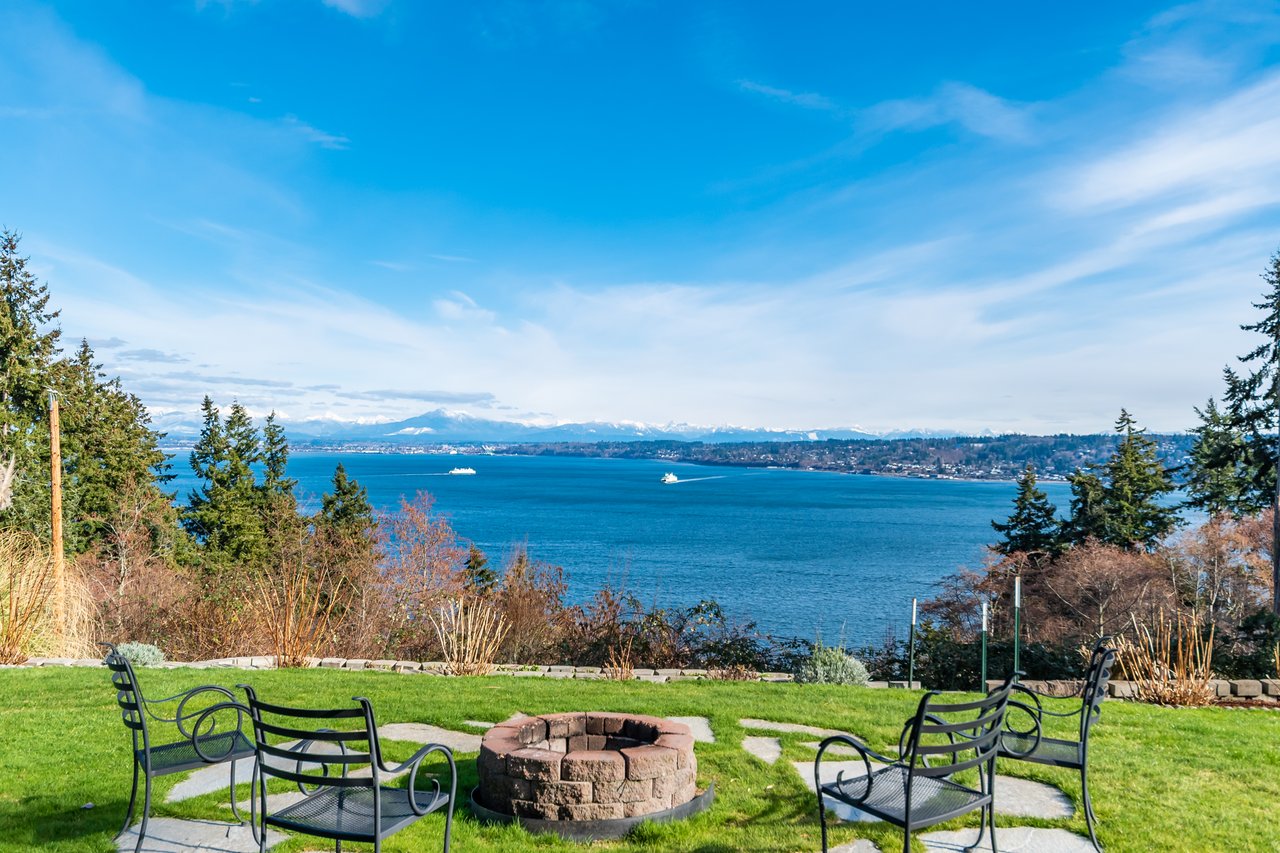
True waterfront living is the most specialized option in Lake Stevens. Buyers in this category usually want direct lake access, a dock, shoreline improvements, and the kind of views that make the home feel tied to the water every day.
Public waterfront listings often highlight features like private docks, sandy beach areas, calm no-wake-zone settings, and water or mountain views. Because supply is limited, these homes tend to stand apart from the rest of the city’s inventory.
Near-water or view-oriented living
The second category is near-water living. This can include homes close to shoreline parks, homes with easier public lake access nearby, or homes that capture some water-oriented setting without direct frontage.
For many buyers, this can be the sweet spot. You may get easier access to the lake lifestyle while avoiding some of the cost and ownership complexity that comes with direct waterfront property.
Inland neighborhood living
The third category is inland neighborhood living. These areas are generally more focused on conventional suburban priorities like detached-home layouts, parks, school-boundary verification, and commute access.
If you want space, neighborhood amenities, and a more standard homeownership experience, inland Lake Stevens may fit you best. This part of the city helps explain why Lake Stevens is not just a waterfront destination, but also a broader suburban housing market.
What waterfront living really means
Living on Lake Stevens can be appealing for obvious reasons, but it comes with practical considerations that matter. If you are shopping waterfront, you will want to think beyond the view and ask how the property interacts with the shoreline.
Water recreation is a major part of life here. The city’s Water Recreation Program says the lake has a 35 MPH speed limit, no wake at night, no wake in North Cove after 1 p.m., and a requirement for boats to yield to non-motorized uses. Boats also travel counter-clockwise around the lake.
Lake Stevens is also open to fishing year-round, according to the Washington Department of Fish and Wildlife. Public fishing and access points include North Cove and Davies Park, which adds to the lake’s everyday usability whether or not you own waterfront.
The biggest ownership issue for waterfront buyers is shoreline regulation. The city’s Shoreline Master Program applies not only to the lake itself, but also to land within 200 feet of the ordinary high-water mark.
That means shoreline permits are generally required for new, expanded, or replaced development within shoreline jurisdiction. If you are considering changes to a dock, deck, bulkhead, or other shoreline-related improvement, you should factor that review process into your decision-making early.
Public lake access around Lake Stevens
One of the best parts of Lake Stevens is that the lake lifestyle is not reserved only for waterfront owners. Several public access points create different ways to enjoy the shoreline depending on where you live.
North shore access
North Cove Park is next to City Hall and close to downtown, which makes it one of the most visible public waterfront areas in the city. It includes a boardwalk, fishing pier, public dock, swim beach, and observation deck.
This area is also part of the civic core. North Cove Park is home to The Mill on Lake Stevens and hosts annual community events, which gives the north shore a more active, community-centered feel.
North Lakeshore Swim Beach offers year-round lake and Cascade Mountain views. For buyers who want nearby public access without direct frontage, this part of the shoreline can be especially appealing.
West shore access
Davies Beach sits on the west shore and is one of the city’s key public lake-access points. This section of shoreline can appeal to buyers who want proximity to a known public beach area and a strong connection to lake recreation.
For fishing access, Davies Park is also recognized by the state as a public entry point. That makes the west side especially relevant if your idea of the lake lifestyle includes regular time on the water.
East side access
Sunset Beach Park is a smaller waterfront pocket park with lake access and a swim and fishing dock. On the east side, this kind of access can shape how buyers think about convenience and day-to-day use of the lake.
Mill Cove Reserve adds a quieter shoreline pocket near downtown. For some buyers, small public shoreline areas like these offer a more relaxed feel than the busier civic waterfront.
How to think about nearby neighborhoods
Lake Stevens does not have a single uniform street pattern or one dominant housing style. A more useful way to evaluate the city is to compare shoreline-adjacent areas with the inland subdivision-style pockets spread throughout town.
The city’s neighborhood park map includes places such as Greenwood Village, The Reserve, Summer Hill Estates, Woodland Hills, and Baker Vista. While that park map is not an official neighborhood taxonomy, it does suggest the city has multiple residential pockets rather than one continuous neighborhood grid.
This matters because your day-to-day experience can vary a lot. Some areas feel more tied to the lake and civic core, while others are more about neighborhood streets, local parks, and easy access to shopping or commuter routes.
Lakefront core
The lakefront core is not only scenic, but also functional. It includes public waterfront gathering spaces and sits near the city’s civic center.
If you value being close to public events, downtown access, and the most visible waterfront amenities, this area may stand out. Buyers often weigh those benefits against the premium that can come with location and views.
Older commercial centers
The city identifies Lake Stevens Center, located at SR 9 and SR 204, as the oldest commercial district. Downtown Lake Stevens is also the subject of a revitalization and expansion effort, which reinforces the importance of the city core.
For buyers, these corridors can matter just as much as the shoreline. They influence where you shop, how quickly you reach daily services, and how connected a neighborhood feels to the rest of the city.
Inland subdivisions
Farther from the lake, you will find more subdivision-style residential areas. Recent public listing examples show the contrast clearly, with inland homes often emphasizing square footage, conventional layouts, shopping access, and commuter convenience rather than docks or beach frontage.
That does not make these areas less desirable. It simply means the value proposition is different, with more focus on everyday livability than on direct shoreline features.
Commute, schools, and daily routines
For many buyers, Lake Stevens works because it combines a lifestyle setting with practical transportation options. That balance is a big reason the city appeals to both move-up buyers and households trying to stay connected to larger job centers.
Community Transit says four bus routes stop at Lake Stevens Transit Center. These include Route 903 to Lynnwood City Center Station during peak morning hours, Route 280 to Everett Station, on-demand Zip Shuttle service in Lake Stevens, and Vanpool and DART options.
From Lynnwood City Center, Community Transit lists direct service to Seattle on Route 515 and to Bellevue on Route 535. Sound Transit also operates Route 532 from Everett to Bellevue.
School boundaries are another important part of the decision. The Lake Stevens School District says families should use the SchoolSite Locator tool to verify assignments by address rather than assume a home belongs to a specific school area.
The district lists seven elementary schools. It also notes that all 8th and 9th graders attend Cavelero Mid High School, while all 10th through 12th graders attend Lake Stevens High School.
Parks and recreation beyond the shoreline
Even if you never buy a waterfront home, parks are a big part of the Lake Stevens lifestyle. They add to the city’s appeal for buyers who want outdoor options built into everyday life.
North Cove Park is one of the standout spaces, with a boardwalk, fishing pier, public dock, swim beach, and observation deck. The Farmers Market in Lake Stevens also runs there in summer, which adds another layer of regular community activity.
West Lake Park broadens the picture beyond the shoreline. It includes walking trails, a dog park, a practice field, and a Bayview Trailhead connected to a 4.7-mile connector project.
Which Lake Stevens area may fit you best
If you are comparing homes in Lake Stevens, start with your lifestyle priorities before you focus on square footage. That simple shift can save time and keep your search aligned with what matters most to you.
You may prefer waterfront living if you want direct access, boating, docks, and a home experience centered on the lake. You may prefer near-water living if you want easier public access and some of the same setting benefits with fewer shoreline responsibilities.
You may prefer inland neighborhood living if your top priorities are parks, commute options, shopping access, and a more typical suburban home layout. None of these choices is better than the others. They simply serve different goals.
If you are planning a move in or around Lake Stevens, working with a local advisor can help you compare shoreline complexity, neighborhood feel, and market positioning in a more practical way. If you are also thinking about selling, presentation and pricing strategy matter even more in a market where buyers can be choosing between lakefront, near-water, and inland options.
Ready to sell? Get a free home valuation and personalized marketing plan from Lynette Thomas.
FAQs
What is the difference between waterfront and near-water homes in Lake Stevens?
- Waterfront homes usually offer direct frontage, private access features like docks, and a more specialized ownership experience, while near-water homes are typically close to public access or water views without direct shoreline ownership.
What should buyers know about Lake Stevens shoreline rules?
- The city’s Shoreline Master Program applies to Lake Stevens and land within 200 feet of the ordinary high-water mark, and shoreline permits are generally required for new, expanded, or replaced development in that area.
What public lake access points are available in Lake Stevens?
- Key public access points include North Cove Park, North Cove Boat Launch, Davies Beach, Sunset Beach Park, North Lakeshore Swim Beach, and Mill Cove Reserve.
What is daily commuting like from Lake Stevens?
- Community Transit says Lake Stevens Transit Center is served by four bus routes, including service to Lynnwood City Center Station and Everett Station, with additional regional connections to Seattle and Bellevue.
What should homebuyers know about Lake Stevens school boundaries?
- The Lake Stevens School District says buyers should verify school assignments by address using the district’s SchoolSite Locator tool rather than assume a neighborhood belongs to a specific school area.
What is the Lake Stevens housing market like?
- Public market data places the broader Lake Stevens market around the high-$600,000s to low-$700,000s, while waterfront inventory is more limited and operates as a distinct micro-market.