Wondering how your acreage, barn, or dream shop will show up on an appraisal in Woodinville? You are not alone. Lenders look beyond charm to verify what the market pays for and whether the site systems are safe and documented. In this guide, you will learn how appraisers assign value, what underwriters want to see, and what you can prepare now to keep a buyer’s loan on track. Let’s dive in.
How appraisers value acreage and outbuildings
Market first: sales comparison in Woodinville
Appraisers start with the sales comparison approach for owner‑occupied hobby farms and acreage homes. They look for recent closed sales with similar lot size, usable pasture, barns or shops, and equestrian features. When the market shows buyers pay a premium for these amenities, the appraiser reflects that in adjustments. If comparable sales are scarce, the appraiser explains wider adjustments and may lean on the cost approach for support.
When the cost approach matters
Special‑purpose improvements, like a riding arena or a custom horse barn, are harder to match to comparable sales. In those cases, the cost approach can help support value, especially when the highest and best use is limited. The appraiser will describe other improvements on standard reporting forms and explain how each feature contributes, or does not contribute, to value.
What makes a barn or shop count
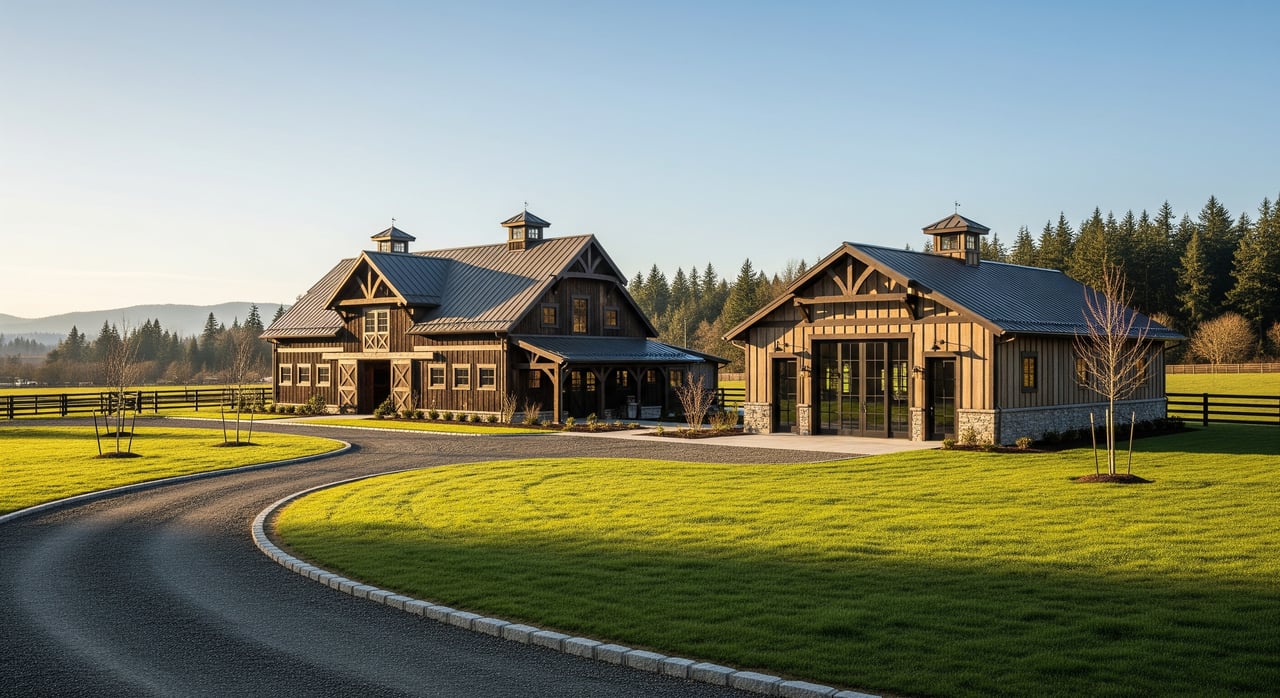
Outbuildings with permits, proper utilities, and finished space are more likely to show contributory value. Items that help include electrical service, insulation, heating, and plumbing that meet permitted standards. Unpermitted or unfinished structures, poor layouts, or awkward access can limit or even zero out value. Appraisers rely on market evidence, so your best bet is to document quality and compliance.
Income from outbuildings
If a barn or shop produces income from boarding, lessons, or rental use, an appraiser may document that activity and consider an income angle. Lenders will still ask whether the use is allowed and whether the income is stable under the loan program. Significant commercial use can shift how the loan is underwritten, so clear records and zoning confirmation are essential.
Site systems lenders review
Wells and water quality
Lenders expect an adequate, safe domestic water supply. Typical documents include a well construction report or well log, a recent water quality test for coliform or E. coli and nitrate, and a recent flow or yield report if available. In Washington, well records are filed with the state, and recent test results help underwriters check the box quickly.
Septic and OSS records in King County
A functioning on‑site sewage system that meets local health standards is a must. Sellers should gather the original installation permit, the as‑built plan, any repair permits, and recent pump and inspection records. If the system is unknown or unpermitted, expect financing to slow or stop until it is resolved.
Power and utilities to outbuildings
Permanent electrical service, appropriate capacity for shop equipment, and permitted plumbing increase marketability and value support. Evidence of permitted work matters. Unpermitted wiring or DIY plumbing is a common lender red flag that can lead to repair requirements.
Access, roads, and easements
Underwriters verify legal access and whether year‑round access is maintained. For private roads, a recorded access easement and road maintenance agreement may be requested. Having those documents ready prevents last‑minute delays.
Soils, wetlands, and floodplain
Wetlands, streams, or steep slopes can reduce usable acreage and affect value. Appraisers will separate usable from non‑usable land. If the property sits in a FEMA flood zone or a regulated critical area, expect more documentation and possibly permits for past work.
Lending programs at a glance
Conventional loans
Conventional lenders rely on the appraiser’s explanation and market support. Properties that are primarily residential with hobby‑farm features are commonly acceptable. Large special‑purpose operations or unpermitted living spaces can trigger extra scrutiny or different financing.
FHA loans
FHA emphasizes safe, sound, and sanitary conditions. Wells and septic must be adequate, and unpermitted living areas are a problem. Accessory buildings used for commercial purposes tend to be reviewed conservatively.
VA loans
VA focuses on safety and habitability. Site conditions and outbuildings matter if they affect the marketability or safety of the home. Documentation that supports safe and functional systems helps smooth the path.
USDA loans
USDA requires that the property be primarily residential and meet strict health and sanitation standards. Location eligibility and acreage are reviewed carefully, and structures are scrutinized for residential use.
Property tax classifications
If the property is enrolled in a current‑use or agricultural classification, discuss it with the lender early. Some underwriters view that classification as an indicator of business use, which can change program fit.
Your pre‑list documentation checklist
Gather these items up front and package them in a single, labeled PDF. A concise one‑page summary at the front helps everyone move faster.
- Ownership and site
- Current deed and legal description.
- Boundary survey or site plan showing house, barns, shops, paddocks, wells, septic, fences, and easements.
- Recorded access easements and any private road maintenance agreements.
- Permits and inspections
- Building permits and final inspections for the house and all outbuildings.
- Electrical and plumbing permits for outbuildings.
- Septic permit, as‑built, repair permits, and recent pump or inspection records.
- Well log number, well construction report, and recent water quality and flow tests.
- Maintenance and improvements
- Labeled photos of the house and every outbuilding with sizes and dates.
- Receipts for major improvements, including roof, foundation, mechanicals, and shop or barn upgrades.
- Equestrian details: stall count, arena dimensions and surface, fencing type, footing maintenance, and manure management.
- Shop details: square footage, slab type, insulation, HVAC, electrical capacity, and any specialty equipment.
- Income and use (if applicable)
- Boarding or rental documentation, leases, and evidence the use is allowed by zoning or permits.
- Documentation for any current‑use or farm classification with the assessor.
- Environmental and hazards
- Any environmental reports.
- Flood zone determination or elevation certificate if applicable.
- Any known history of spills or chemical applications.
- Market support
- Recent comparable sales list of similar hobby‑farm and equestrian properties.
- A clear features list that quantifies each outbuilding.
Practical appraisal day tips
Make every area accessible, including lofts, tack rooms, mechanical rooms, and interior shop spaces. Have your summary packet ready to hand to the appraiser. If something is unpermitted, disclose it with a realistic correction plan or written contractor estimate. Clear, organized information builds confidence and often speeds underwriting.
Common Woodinville pitfalls to avoid
Older barns or shops sometimes lack complete permit histories. Gather what you can and include any updates or corrective work in writing. Parcels with wetlands or steep slopes may offer fewer usable acres than the tax parcel suggests, so set buyer expectations early with accurate site maps. For private road access, confirm who maintains the road in winter and provide the agreement up front.
Pricing and marketing your acreage
Your value story should match what the market pays for in Woodinville. Quantify usable pasture, fencing, stall count, arena specs, and shop features in clean, buyer‑friendly language. Professional photos and a clear features sheet help the appraiser and the lender see what buyers see. Strong comparable sales and a tidy documentation file support both top‑tier pricing and a smoother loan process.
Next steps
If you plan to sell in the next few months, start collecting permits, well and septic records, and improvement receipts now. Address obvious issues early, or be ready with clear disclosures and solutions. A thoughtful strategy, supported by documentation, helps you capture the value of your acreage, barns, and shops while keeping the buyer’s financing on track.
Ready to sell? Get a free home valuation and personalized marketing plan with Unknown Company.
FAQs
Will a barn automatically increase appraised value in Woodinville?
- Not automatically. Value increases when local sales show buyers pay for functional, permitted barns that resemble those on comparable properties. Otherwise, the contributory value may be limited.
How important are permits for barns and shops when financing a sale?
- Very important. Permits and final inspections make it much easier for appraisers and underwriters to accept the improvements and their value.
What well and septic documents do lenders usually require in King County?
- Expect to provide the well log and recent water quality results, plus the septic permit, as‑built plan, and recent inspection or pump records. Lenders may request additional testing.
Can a property with boarding income qualify for a standard mortgage?
- Possibly. Lenders will verify that the income is stable and legally allowed. Substantial, ongoing commercial activity can change how the loan is underwritten.
Do wetlands or steep slopes in Woodinville prevent financing?
- Not necessarily. They can reduce usable acreage and affect value, and may require more documentation. Appraisers will separate usable from non‑usable land in the analysis.