Wondering why some Arlington acreage listings feel effortless to shop while others raise questions the moment buyers turn down the driveway? When you are selling land with a home, barn, shop, fencing, or pasture, buyers are not just judging square footage. They are trying to understand how the property works, what can be used, and whether the details have been cared for. This guide will walk you through the most important steps to make your Arlington acreage feel clear, well-prepared, and market-ready before it goes live. Let’s dive in.
Start With Jurisdiction and Land Use
Before you mow a field or schedule photos, confirm whether your property is inside the City of Arlington or in unincorporated Snohomish County. That first step matters because the rules can differ depending on where the parcel sits. In the city, Title 20 covers zoning and land use topics like subdivisions, density, setbacks, and permitted uses.
If your acreage is in county territory, Snohomish County PDS handles many of the permits and land-use reviews that affect rural property. That can include clearing and grading, driveway aprons, and related site work. Knowing which set of rules applies helps you avoid spending money on the wrong improvements or describing the property in a way that creates confusion later.
Usable land also matters more than gross acreage in the eyes of many buyers. Critical-area rules in Snohomish County can affect wetlands, flood areas, geologic hazards, fish and wildlife habitat, and aquifer recharge areas. In real terms, that can limit where future buildings, paddocks, pasture improvements, or other uses make sense.
Focus on Usable Acreage
Acreage buyers usually look past the total number on the tax record and ask a simpler question: how much of this property can I actually use? That is why clean presentation should go hand in hand with clear documentation. If there are buffers, setbacks, or sensitive areas, it helps to understand them before marketing begins.
This does not mean every property needs to be perfectly flat or fully open. It means your listing should present the land honestly and confidently. When you know where the practical use areas are, you can highlight the home site, pasture, turnout space, barn access, shop area, or open yard in a way that feels credible to buyers.
Improve Driveway Access First
First impressions on acreage often start long before buyers reach the front door. A drivable driveway, trimmed edges, and drainage that moves water away from the travel surface all signal ongoing care. If the entry feels rough, muddy, overgrown, or hard to navigate, buyers may start worrying about the rest of the property.
That said, access work is not always a simple weekend project. Snohomish County requires authorization for certain right-of-way work, and permit types include residential access and driveway modification or repair. If you are thinking about widening, regrading, resurfacing, or changing access before listing, verify permit needs before work begins.
If prep includes more significant clearing, grading, or paving, a Land Disturbing Activity permit may also be required in some cases. That can matter if you plan to replace gravel, reshape drainage, or clean up field areas in a bigger way. The goal is to improve function and appearance without creating a permit issue right before you sell.
Refresh Pasture and Open Land
A tidy field does more than photograph well. It tells buyers the property has been managed, not ignored. On Arlington acreage, pasture condition can shape how buyers feel about the land almost as much as the home itself.
WSU Extension points to pasture practices like maintaining a dense crop, avoiding bare spots and overgrazing, and using rotational grazing, mowing, harrowing, and sacrifice areas during wet months. Those steps support better ground cover, help absorb rainfall, reduce runoff, and limit erosion. In a sales context, they also make the property look more functional and easier to maintain.
If your pasture has muddy zones, worn patches, or ragged edges, aim for improvement rather than a quick cosmetic fix. Mowing, tidying edges, and addressing obvious trouble spots can go a long way. Buyers notice when the land feels usable and maintained.
Check Fences, Gates, and Safety Areas
Fencing is more than a visual boundary on acreage. It is part of how buyers evaluate safety, maintenance, and day-to-day usability. If your property includes livestock or horse areas, loose boards, sagging wire, difficult gates, or patched-together sections can stand out quickly.
WSU notes that fencing is integral to livestock and equine operations and supports the safety and welfare of animals and producers. Before listing, walk the fence lines and gate areas with a practical eye. You do not always need to replace everything, but obvious issues should be repaired so buyers see the setup as functional and cared for.
If animals will remain on the property during showings, separate them from visitors and active work areas. WSU horse-safety guidance emphasizes secure tie points and avoiding unsafe locations like gates, wire fences, machinery, or rotten posts. A calm, controlled showing environment protects everyone and makes the property easier to experience.
Verify Barns, Shops, and Outbuildings
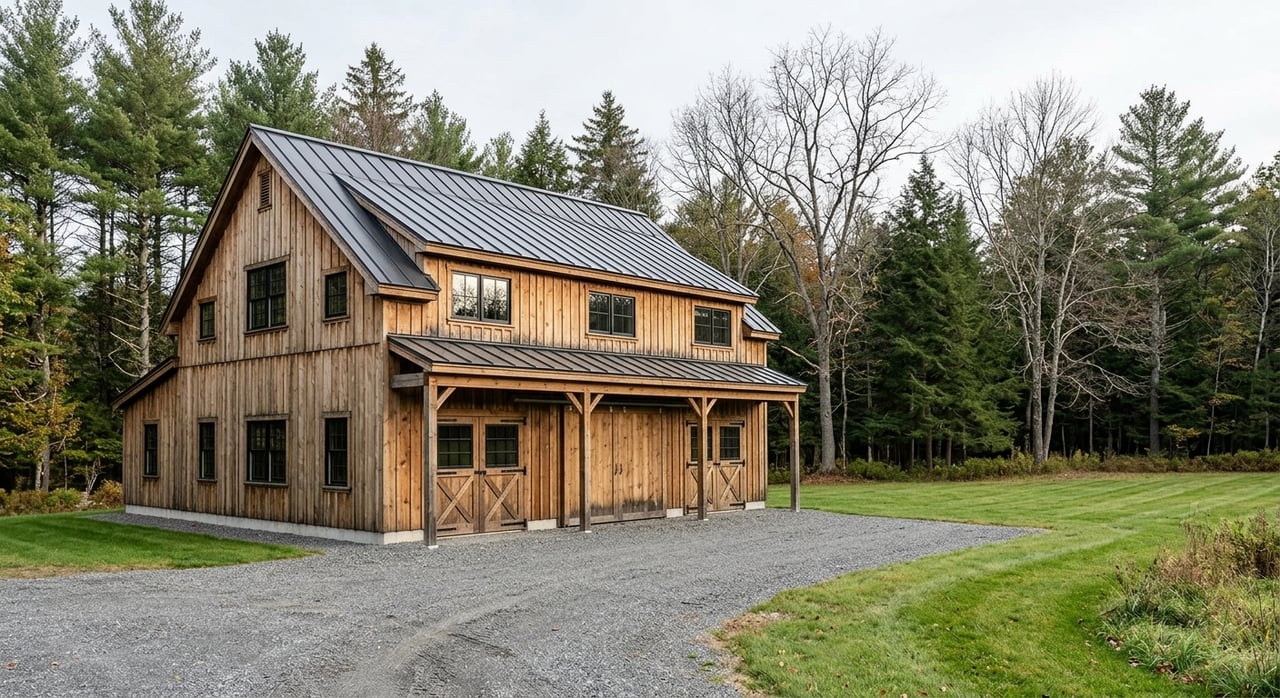
On lifestyle properties, buyers often get excited about the barn, shop, greenhouse, garage, or shed just as much as the home. Those buildings can add real value, but only if the records match what is on site. Snohomish County treats many of these structures as permit categories, including barns, shops, accessory buildings, and ag buildings.
Unless a structure is exempt, a residential building permit is generally required for buildings or structures used for or accessory to a single-family or duplex dwelling. That is why it is smart to verify permit history for barns, shops, added rooms, or accessory living spaces before the listing goes live. Buyers appreciate clarity, and it helps reduce surprises during escrow.
This is especially important if the property has changed over time. A finished room over a shop, an expanded barn area, or a converted outbuilding may raise questions if the paperwork is incomplete. The more you can confirm up front, the stronger your marketing position becomes.
Prepare for Fire Season Concerns
Acreage buyers in Snohomish County often pay close attention to vegetation and defensible space around the home. A property can feel peaceful and private while still showing that basic fire-readiness has been addressed. Clean edges, reduced brush, and a well-kept homesite all help.
The Washington Department of Natural Resources says studies suggest many homes lost to wildland fire might have been saved with brush clearing and defensible space. Snohomish County also advises keeping about 30 feet around the home free of burnable debris and cleaning roofs and gutters. These steps improve presentation and show buyers that the property has been maintained with local conditions in mind.
Organize Septic and Well Records
For many Arlington acreage sales, utility records carry as much weight as the home inspection. Buyers often want to see septic as-built drawings, service history, and well information early in the process. Having those records ready can build confidence and keep the transaction moving.
The Snohomish County Health Department keeps septic as-built drawings and service-history reports in OnlineRME. The county also maintains property records related to wells and directs owners to Ecology’s Well Report Viewer. If records are missing for an older well, that does not automatically mean no well exists, since wells built before 1973 may not have been recorded.
If you have well repair records, pump-test results, or water-quality results, gather them before listing. The Health Department also advises keeping animals, enclosures, and manure storage at least 100 feet from a well. On horse or hobby-farm properties, that spacing can be an important detail for buyers reviewing the layout.
Build a Strong Buyer Packet
A well-organized document packet can make your acreage easier to understand and easier to trust. Rural and lifestyle properties often come with more moving parts than a typical suburban lot. When buyers can review the essentials early, they are less likely to fill in the blanks with worst-case assumptions.
A practical packet may include:
- County-recorded deed and legal description
- Recent survey or plat, if available
- Permit history for the home and outbuildings
- Septic as-built records and service history
- Well records and water-test results
- Easement or access documents
Snohomish County public records include many of the core files buyers and sellers use to verify what is on a property. Pulling these records before launch can support cleaner disclosures, better buyer confidence, and fewer late-stage questions.
Handle Disclosures Clearly
Washington seller disclosures are based on your actual knowledge, which makes preparation especially important on acreage. Guesswork is rarely helpful when buyers are evaluating land, utilities, structures, and neighboring uses. Accurate records make it easier to answer questions plainly and consistently.
Washington law also generally gives buyers three business days to rescind after receiving the disclosure statement. That is one reason organized information can matter so much. If concerns surface late because the records were scattered or unclear, the transaction can become harder than it needs to be.
For rural property, the statutory notice about proximity to a farm or working forest may also apply. That notice reflects legal protections for customary agricultural and forest practices, and it can be relevant if nearby uses create noise, odors, dust, equipment traffic, or seasonal activity. Clear communication here helps set realistic expectations.
Use a Smart Prep Sequence
When you are preparing Arlington acreage for market, the easiest path is usually a steady one. Start with the facts, then improve what buyers will notice most, then package everything for a clean launch. That approach protects your time and keeps your budget focused.
A practical sequence looks like this:
- Confirm whether the parcel is in Arlington city limits or unincorporated Snohomish County.
- Review zoning, site constraints, critical areas, setbacks, and access limits.
- Pull core records like deed, survey or plat, permit history, septic records, and well information.
- Improve the entry, driveway, gates, fences, drainage, brush conditions, and visible hazards.
- Refresh pasture and open land so the property looks maintained and usable.
- Assemble disclosures and supporting documents before the home hits the market.
That kind of preparation supports stronger marketing, better showing feedback, and a smoother sale experience. It also gives you a clearer picture of what makes your property stand out.
If you are getting ready to sell acreage in Arlington, a thoughtful plan can make all the difference. With the right preparation, your property can show buyers not just how much land you have, but how well it lives. When you want hands-on guidance with presentation, vendor coordination, pricing, and marketing for a rural or lifestyle property, Lynette Thomas can help you build a personalized strategy from the ground up.
FAQs
What should Arlington acreage sellers do before making improvements?
- Confirm whether the property is inside the City of Arlington or in unincorporated Snohomish County, then check zoning, permit, and right-of-way rules before starting access, grading, or land work.
What records matter most when selling acreage in Arlington?
- Buyers often want the deed, legal description, survey or plat if available, permit history, septic as-built and service records, well records, water-test results, and easement or access documents.
Why do usable acres matter more than gross acres on Arlington properties?
- Critical areas, buffers, setbacks, and site constraints can affect where buyers can realistically use the land for homesites, pasture, paddocks, or outbuildings.
Do Arlington acreage sellers need to check barn and shop permits?
- Yes, it is wise to verify that barns, shops, sheds, garages, and any added rooms or accessory spaces match county permit records before marketing the property.
How should sellers prepare horse or livestock areas for showings?
- Repair obvious fencing or gate issues, remove hazards, and keep animals away from visitors and active work areas so buyers can view the property safely and comfortably.
What disclosure issues are common with Arlington rural property sales?
- Sellers should be prepared to complete Washington’s disclosure statement based on actual knowledge and provide the farm or working forest notice if it applies to the property location or surrounding uses.