What does everyday life in Edmonds really feel like once you get past the postcard views? If you are thinking about moving within Edmonds, buying your first home here, or preparing to sell, it helps to understand how daily routines can shift from one part of the city to another. From the walkable waterfront rhythm of the Bowl to the more residential feel of hillside areas and neighborhood commercial nodes, Edmonds offers several distinct ways to live. Let’s dive in.
Life in the Edmonds Bowl
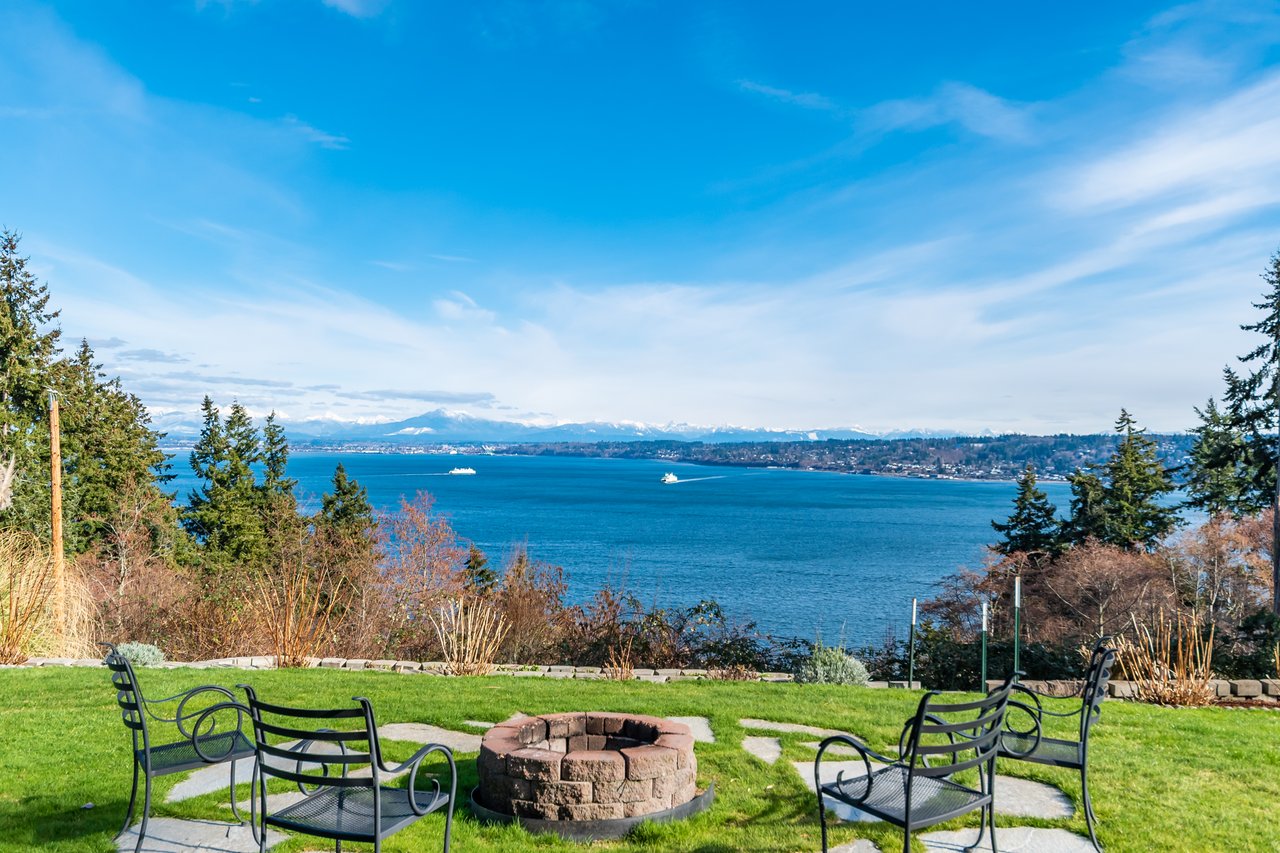
If you want a lifestyle where you can do more on foot, the Edmonds Bowl stands out. The city describes Edmonds as a west-facing Puget Sound community with a compact walkable downtown, water views, Olympic Mountain views, and easy access to the shoreline. That combination shapes the pace of daily life in a way that feels different from many suburban communities.
Downtown is at the center of that routine. According to the city, the core includes art galleries, shops, boutiques, cafes, bistros, day spas, and beachfront eateries. The Edmonds Creative District also concentrates arts, culture, parks, historic structures, and public gathering places in the heart of downtown.
For many buyers, that means errands, dining, and waterfront time can all fit into the same afternoon. For sellers, it helps explain why homes in and near the Bowl often appeal to people who value convenience, charm, and a more connected daily pattern. The appeal is not just the home itself, but also how easily life can unfold around it.
Historic character in the Bowl
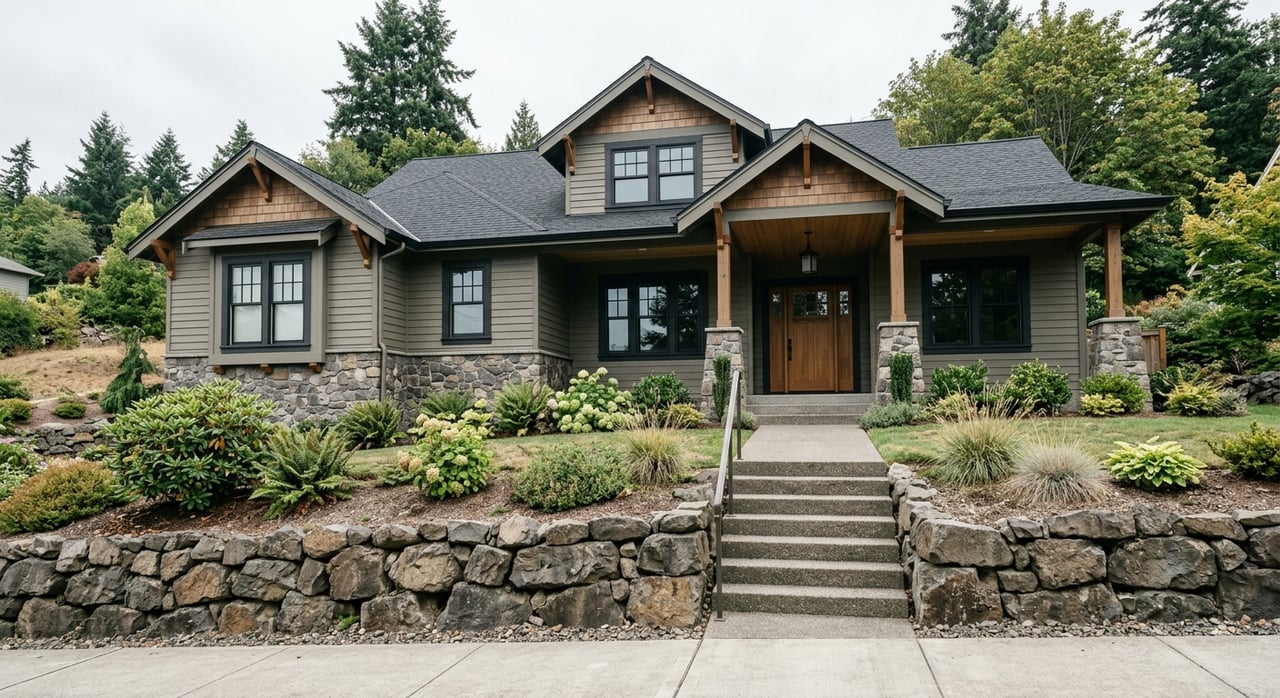
The Bowl also carries much of Edmonds’ original townsite character. In the historic survey area, the city documents home styles that include Queen Anne, Shingle, Colonial Revival, Neo-Classical, Tudor Revival, and Craftsman or Bungalow architecture. That creates a streetscape with a layered, established feel.
If you are home shopping, this often means more architectural variety and older homes with distinct design details. If you are selling, presentation matters even more in these areas because buyers often respond to both character and condition. A thoughtful marketing plan can help highlight the lifestyle and story of a home, not just its square footage.
Waterfront living shapes daily routines
One of Edmonds’ biggest lifestyle advantages is how much shoreline and park access is built into the city. Edmonds reports one mile of shoreline, 47 park and open-space sites, 230 acres of city parks, and 362 partnership acres. Its four beach parks are Brackett’s Landing North, Brackett’s Landing South, Marina Beach Park, and Olympic Beach.
That shoreline presence affects how people use their free time. A quick walk near the water, a beach stop after work, or time at the marina can become part of your normal week instead of an occasional outing. In a suburban market, that is a meaningful quality-of-life feature.
Beach parks and protected spaces
These waterfront areas are scenic, but they are also managed carefully. The city notes that beach sanctuary spaces have rules that limit collecting, dogs, and some water activities. If you are considering a move near the waterfront, it helps to know that access comes with stewardship and specific park rules.
Beyond the shoreline, Edmonds also offers a range of inland natural spaces. Yost Park includes one of the city’s few large native-forest areas, and the park system includes native-habitat sites such as Edmonds Marsh. For buyers comparing neighborhoods, that means outdoor access in Edmonds is not limited to the beach.
Trails, parks, and recreation
The city’s parks plan inventories 8.6 miles of shared-use, neighborhood, and park trails, and reports that about 18% of the city has close-in access to recreational trails. Nearby county parks in Edmonds include Meadowdale Beach Park and Esperance Park. If your ideal routine includes walking, trail access, or green space, these details can help narrow where you want to focus.
Boating is another part of Edmonds life that matters to some households. The Port of Edmonds operates a clean marina and boatyard with 663 wet slips, 222 dry-storage spaces, guest moorage, a boat launch, fuel, showers, and restrooms. The port also notes that many guests use shoreline and downtown businesses, which adds to the connection between the waterfront and the local economy.
Beyond the Bowl: a different pace
Outside the Bowl, Edmonds shifts into a more suburban pattern. The city’s historic survey says post-war development is more visible outside the downtown and Bowl area, where suburbs and cul-de-sacs include Moderne, Modern, Northwest Modern, and Ranch styles. For many households, this part of Edmonds offers a quieter, more residential feel.
This is where daily life often becomes a little less walkable and a little more car-oriented. You may have more separation between home, shopping, parks, and transit, but you may also find different home styles, lot patterns, and overall neighborhood rhythms. That tradeoff is often central to choosing the right part of Edmonds.
Housing variety is expanding
The city’s zoning pattern reflects that broader mix. Edmonds includes low-density residential areas, waterfront single-family zones, multifamily zones, downtown business, commercial waterfront, and hillside mixed-use areas. As of July 2, 2025, the city says former single-family zones became Low-Density Residential overlays that can include detached homes plus duplexes, triplexes, cottage homes, and courtyard apartments.
For buyers, that may mean more housing types over time in areas that were once more limited. For sellers, it is one more reason hyper-local pricing and positioning matter. Even within the same city, buyer expectations can vary a lot depending on whether a home is in the Bowl, on the hillside, or near a neighborhood center.
Neighborhood centers beyond downtown
Not every convenient part of Edmonds is in the downtown core. The city’s 2025 Neighborhood Centers and Hubs policy points future investment toward mixed-use, walkable neighborhood centers beyond downtown. The Westgate study also identifies Westgate and Five Corners as formal neighborhood-commercial areas for planning purposes.
That matters if you want a middle ground. Some buyers want easier access to shops and services without living in the most walkable and active part of town. Areas connected to places like Westgate, Five Corners, Firdale Village, and Perrinville can offer that neighborhood-commercial convenience while keeping a more residential day-to-day feel.
Commuting can shape your choice
In Edmonds, commuting is often one of the biggest factors in how a location feels over time. The city says Edmonds is easy to reach by Amtrak, Sounder commuter rail, Community Transit buses, Washington State Ferries, automobiles, and bicycles. It is also about 15 miles north of Seattle and 18 miles south of Everett.
For some households, that regional access is a major reason to choose Edmonds. For others, the real question is how much of that access you want close at hand in your daily routine. Living near downtown and the station can feel very different from living farther uphill or farther from the core.
Transit-rich areas in the Bowl
Edmonds Station at 211 Railroad Ave is served by the Sounder N Line and Community Transit routes 102, 130, 166, and 909. Community Transit lists those same routes as direct connections to the Edmonds Ferry Terminal. If you rely on rail, bus, or ferry access, the Bowl and downtown area are naturally important places to consider.
The Edmonds-Kingston ferry adds another layer of regional connection. The city says the route connects south Snohomish County and north King County with the northern Kitsap Peninsula and points west. That makes Edmonds more than a shoreline city. It also functions as a regional transportation link.
Car-oriented areas outside downtown
The city’s 2023 Climate Action Plan, based on 2017 Census data, describes Edmonds as predominantly residential, with most residents commuting outside the city. The plan estimates that 71% of workers drove alone and that over half had commutes longer than 20 minutes. Those numbers support what many locals already feel in practice: where you live in Edmonds can have a real effect on your time in the car.
In general, the Bowl is the most transit-rich part of the city because of its concentration near the station, ferry terminal, and walkable downtown. Hillside and outer residential areas are more likely to function as car-oriented neighborhoods. Neither is automatically better. The best fit depends on the routine you want most days, not just the home you like best on paper.
How to choose the right Edmonds fit
When you compare the Bowl with areas beyond it, the decision often comes down to lifestyle priorities. If you want walkability, shoreline access, historic character, and easier reach to rail and ferry, the Bowl may feel like the strongest match. If you want a more suburban pace, a wider range of post-war home styles, and access to neighborhood-commercial nodes, areas outside the Bowl may be a better fit.
If you are preparing to sell, understanding that difference is just as important. Buyers are not only comparing price and features. They are also comparing routines, commute patterns, and the kind of everyday life they can picture in each part of Edmonds.
A strong real estate strategy should reflect that local nuance. Whether you are buying or selling, clear positioning, thoughtful preparation, and neighborhood-specific insight can make the process feel much more grounded and much less stressful.
If you are planning a move in Edmonds and want experienced local guidance, Lynette Thomas offers personalized support, clear market insight, and a high-touch approach to help you buy or sell with confidence.
FAQs
What is everyday life like in the Edmonds Bowl?
- The Edmonds Bowl offers a more walkable lifestyle with easier access to downtown shops, cafes, parks, the waterfront, the ferry terminal, and Edmonds Station.
What is everyday living like outside the Edmonds Bowl?
- Areas outside the Bowl generally feel more suburban and car-oriented, with post-war home styles, cul-de-sacs, and convenient access to neighborhood-commercial areas like Westgate and Five Corners.
What parks and beaches are part of Edmonds daily life?
- Edmonds has four beach parks, including Brackett’s Landing North and South, Marina Beach Park, and Olympic Beach, plus inland spaces like Yost Park and habitat areas such as Edmonds Marsh.
What transportation options are available in Edmonds?
- Edmonds is served by Sounder commuter rail, Community Transit buses, Amtrak, Washington State Ferries, automobiles, and bicycles, with the strongest concentration of transit access near downtown.
What housing styles can you find in Edmonds?
- In and near the Bowl, you can find historic styles such as Craftsman, Tudor Revival, Colonial Revival, and Queen Anne, while areas outside the Bowl include more post-war Modern, Northwest Modern, and Ranch homes.
What should Edmonds buyers and sellers think about first?
- Start with your daily routine, including walkability, commute needs, park access, and preferred home style, because those factors often determine which part of Edmonds feels like the best fit.