Trying to make sense of Everett’s neighborhoods before you buy? You are not alone. With waterfront condos, historic bungalows, and suburban pockets that feel worlds apart, it can be tough to know where to start. In this guide, you’ll see how the city is organized, what each area tends to offer, realistic price signals, and how transit and parks fit into daily life. By the end, you will have a clear short list and the tools to verify details as you get closer to making a move. Let’s dive in.
Everett at a glance
Everett is Snohomish County’s largest city with an estimated population of 113,011 as of July 1, 2024. The average commute time across the city is about 26.4 minutes, according to the U.S. Census Bureau’s QuickFacts. You can use these figures to set expectations around city scale and drive times. For a quick reference, check the Census QuickFacts for Everett city, Washington.
- Population estimate: 113,011 (July 1, 2024)
- Mean travel time to work: about 26.4 minutes (2019–2023)
- Source: U.S. Census QuickFacts
Use the official neighborhood map
Everett recognizes 19 neighborhood areas, each with clear boundaries. To avoid confusion between local nicknames and official borders, use the City of Everett’s neighborhood map as your single source of truth. You can view an interactive map and printable PDFs by visiting the City’s Neighborhood Maps page. If you have a specific address, look it up on that map first to confirm where it lands before comparing recent sales.
Waterfront living: Port Gardner and the Marina
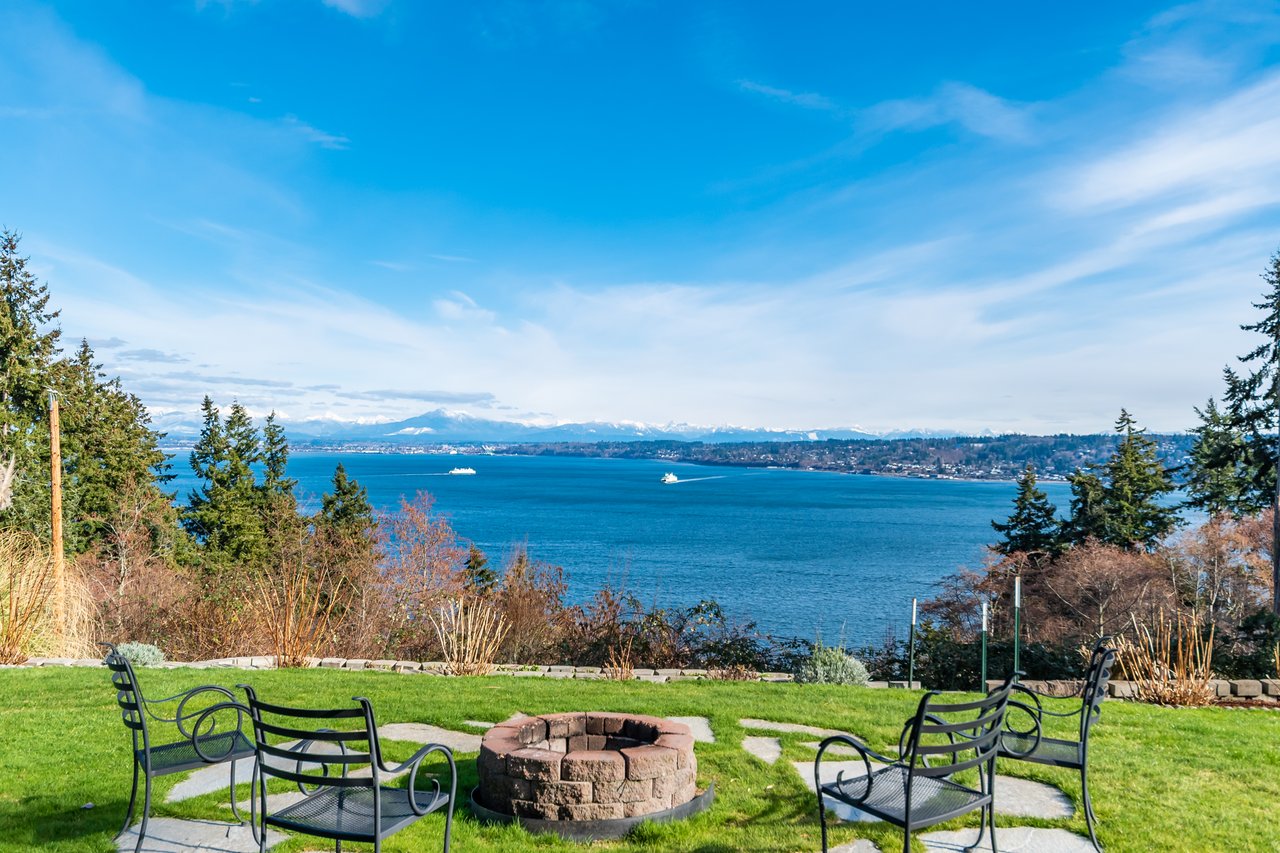
If you picture restaurants by the water, marina access, and evening walks with bay views, start with Port Gardner and the downtown waterfront. The Port of Everett manages Waterfront Place, a visitor-friendly area with dining, public spaces, and marina amenities. American Legion Memorial Park and nearby Grand Avenue provide sweeping views over Port Gardner Bay, plus space for community events.
- What it feels like: active marina area with public plazas, waterfront dining, and park access. See more at the Port of Everett.
- Housing types: recent and mid-rise condos, mixed-use buildings with ground-floor retail, townhomes in riverfront redevelopment, and a few older single-family pockets.
- Who it fits: buyers seeking walkable access to food, concerts, and boat life, along with lower-maintenance condo living.
- Price signals: tends to sit above the city median, with pricing that varies by building, amenities, and views. Expect ongoing new listings as Port and City projects continue.
For river-adjacent options with newer construction, look at the City’s riverfront redevelopment plans and townhome communities along the Snohomish River. You can review active plans and neighborhood context on the City’s Riverfront project page.
Historic core and downtown character
Everett’s historic core includes older residential streets near downtown and the Northwest area. You will find tree-lined blocks with Craftsman, Tudor, and other early 20th-century homes close to Hewitt and Colby, with small commercial pockets and civic amenities nearby.
- What it feels like: walkable, with period architecture and easy access to downtown events and services.
- Housing types: historic single-family homes, small apartments, and limited infill or condo buildings. Expect smaller lots, and plan for older mechanical systems in some homes.
- Who it fits: buyers who value character, proximity to restaurants and entertainment, and a traditional neighborhood feel.
- Price signals: Northwest and Port Gardner areas have been among the higher-priced, lower-inventory micro-markets inside Everett in recent snapshots. Listing medians in the mid-to-high $600Ks were reported for Northwest/Port Gardner in late 2025 (Realtor.com, late 2025).
Suburban enclaves: space and parks
Looking for larger yards, a quieter street pattern, and easier parking? Everett’s suburban neighborhoods deliver variety in lot size, house age, and commute trade-offs.
- Areas to explore: Silver Lake, Twin Creeks, Westmont, View Ridge–Madison, Boulevard Bluffs, Valley View, and Lowell. City pages describe these as primarily single-family areas with varied lot types.
- What they feel like: curving streets, mid-century to newer construction, and parks nearby. Silver Lake centers on the lake and its parks. Twin Creeks offers quick access to I‑5 and the Everett Mall area. View Ridge–Madison and Boulevard Bluffs are known for views and a mix of mid-century and modern homes. See the City’s neighborhood info starting with Twin Creeks.
- Housing types: single-family homes, some duplexes and townhome pockets, and apartment communities in certain corridors.
- Who they fit: buyers seeking more indoor and outdoor space, a residential street pattern, and nearby parks.
- Price signals: Zillow’s neighborhood index has placed Silver Lake and some view-area neighborhoods above the city median, with other pockets such as Westmont and Twin Creeks trending toward lower or mid-range levels at the time of reporting. Always check current MLS comps for exact pricing.
Riverfront, Lowell, and outdoor access
If you want easy recreation, river views, or a semirural feel in parts, consider the riverfront and Lowell areas. Langus Riverfront Park features a boat launch, rowing facilities, and miles of paved trails along the Snohomish River. It is a major draw for residents who want immediate access to water and open space.
- What it feels like: recreation-forward, with large natural areas and trails. Explore Langus Riverfront Park.
- Housing types: a mix of low-density homes with larger lots in places like Lowell, plus newer townhomes in riverfront redevelopment areas.
- Who it fits: buyers prioritizing outdoor access and a quieter setting.
- Practical note: low-lying waterfront and riverfront parcels can involve flood risk and long-term sea-level considerations. Review FEMA flood maps, local critical-area rules, and request elevation or flood insurance history when evaluating a specific property.
Parks, schools, and daily life
Parks and waterfront access are core to Everett’s lifestyle. American Legion Memorial Park overlooks the bay and hosts community events, while Grand Avenue Park and Marina Park support waterfront walks and gatherings. The Port of Everett’s Jetty Island is a seasonal destination for beach days and watersports. For park details, start with the City’s parks directory and the page for Langus Riverfront Park. You will also find city highlights, entertainment venues, and regional employers on the City’s About Everett page.
For schools, Everett Public Schools provides boundary maps, program info, and school lists. Attendance boundaries can change. If schools are important to your search, verify current boundaries and offerings on the Everett School District site before you finalize neighborhood targets.
Transit and commute options
Today’s most useful transit is the Community Transit network, including Swift bus rapid transit lines that connect key corridors across Snohomish County. Community Transit is expanding Swift service, including the planned Swift Gold Line, which is in design and environmental review with service targeted in the 2030s. You can track updates on the Swift Gold project page and the agency’s Transit Development Plan.
Light rail to Everett is planned through Sound Transit’s Everett Link Extension. Planning documents set a target to open portions of the extension around 2037, with some later phases possible based on budget and alignment work. Treat light rail as a longer-term change rather than a current commute option. For context, review Sound Transit’s scoping materials in the Everett Link Extension early scoping report.
For baseline drive times, remember the citywide mean commute is about 26.4 minutes, though peak travel to Seattle can be longer. Location within Everett and proximity to I‑5 will influence your experience.
Pricing patterns and what to expect
Different sources track pricing differently. A median sale price reflects recent closed sales. Zillow’s ZHVI is a value index that estimates typical home values. Listing medians capture asking prices. Because methods and time frames vary, expect city-level numbers to differ.
A simple way to use these indicators is to treat them as directional and then pull fresh MLS comparables once you have a shortlist. Here are examples that illustrate the range:
- City median sale price: about $506K (Redfin, Jan 2026). This is a closed-sale median, not a value estimate.
- Silver Lake typical home value: about $687K (Zillow ZHVI, Dec 31, 2025). This is a value index snapshot.
- Northwest and Port Gardner listing medians: mid-to-high $600Ks in late 2025 (Realtor.com, late 2025). This reflects list prices, not closings.
Citywide, a useful high-level range for many product types has sat in the mid-$500Ks to low-$700Ks in recent indices. Waterfront condos and newer or view properties often price higher per square foot. Older single-family homes and some suburban enclaves can offer more space at a lower or mid-range price point. Inventory and days on market shift month to month, and Redfin data for Jan 2026 showed longer DOM compared with the prior year. Always verify current numbers before you write offers.
How to pick your neighborhood short list
Use this quick, practical filter to focus your search within Everett’s 19 mapped neighborhoods:
- Start with the official map. Confirm any address or target street on the City’s Neighborhood Maps page. This keeps your research aligned to real boundaries.
- Choose your lifestyle anchors. If you want restaurants, concerts, and marina life, start waterfront or downtown. If you want yard space and easier parking, look to Silver Lake, Twin Creeks, or similar suburban pockets. If daily recreation matters, check riverfront trails or parks near the bay.
- Set commuting expectations. If you rely on transit, review current Swift routes and planned upgrades. If you drive, test the route to your workplace during your actual commute window.
- Match price to product type. Treat pricing sources as indicators, then pull specific MLS comps by home type and micro-area. Pay attention to building age and mechanicals in historic homes.
- Check technical items early. If you are near the waterfront or riverfront, review flood considerations and insurance needs. For homes near active development zones, expect construction and future amenities as projects build out.
Ready for next steps
Buying in Everett is about choosing the lifestyle and daily patterns that fit you. Use the official map to ground your search, lean on parks and commute realities to narrow your list, and verify pricing with live MLS data when you are serious about a street or building. If you want a calm, expert path from research to keys in hand, connect with Lynette Thomas for a neighborhood consult, personalized property search, and step-by-step guidance.
FAQs
What are the main neighborhood groups in Everett for homebuyers?
- Waterfront and Port Gardner areas, the historic core and downtown-adjacent neighborhoods, suburban enclaves like Silver Lake and Twin Creeks, and riverfront or Lowell areas with strong outdoor access.
How do I verify which Everett neighborhood an address belongs to?
- Use the City’s official Neighborhood Maps page to search the address and confirm boundaries before comparing sales.
What is the current price range I should expect in Everett?
- Recent indices suggest a general band from the mid-$500Ks to low-$700Ks, with higher per-square-foot pricing for waterfront condos and newer or view homes.
How does the commute from Everett typically look?
- Citywide, the mean travel time is about 26.4 minutes, though peak-hour drives to Seattle can run longer; transit options include Community Transit’s Swift BRT network.
Is light rail coming to Everett, and when?
- Sound Transit’s Everett Link Extension is planned, with portions targeted around 2037 under current planning, and later phases subject to funding and alignment decisions.
How should I compare pricing sources like Redfin, Zillow, and listing medians?
- Treat each as an indicator with different methods and dates, then confirm your target home’s value with current, street-level MLS comparables before you write offers.
What should I know about flood or environmental risks near the waterfront or riverfront?
- Low-lying parcels can involve flood risk and long-term sea-level considerations, so review FEMA flood maps, local critical-area rules, and insurance or elevation data during due diligence.